شانغهاي Shenghua كبل (مجموعة) المحدودة

اختيار المنطقة المناسبة لقطع الكابلات هو حجر الزاوية للأنظمة الكهربائية الآمنة والفعالة والفعالة من حيث التكلفة. يعتمد العديد من المهندسين على الخبرة أو القواعد المبسطة،والتي قد تعمل على المدى القصير ولكن يمكن أن تؤدي إلى ارتفاع درجة حرارة، انخفاض في الجهد المفرط، أو فشل العزل المبكر.
شركة Shenghua Cable (شركة شنغهاي Shenghua Cable Technology Group Co. Ltd)، مع عقود من الخبرة في تصنيع الكابلات والمشاريع الدولية، يشترك في أربعة مقاربات علمية لاختيار مقاطع الكابلات للتطبيقات المتنوعة.
استكشاف منتجات شينغوا كيبل هنا:https://www.shanpowercable.com/
تم تصميم الكابلات لنقل تيار معين دون تجاوز درجة الحرارة المسموح بها على المدى الطويل. تجاوز هذه درجة الحرارة يسرع شيخوخة العزل وقد يقلل من عمر الخدمة.
عزل PVC:70 درجة مئوية كحد أقصى
عزل XLPE:90 درجة مئوية كحد أقصى
مثال:
المحول: 2500 كيلو فولت، إمدادات 10 كيلو فولت
نوع الكابل: XLPE، مثبت في جسر الكابل
الخطوة الأولى:حساب التيار الاسمي
I=250010.5*1.732≈137AI = frac{2500}{10.5 × 1.732} حوالي 137A
الخطوة الثانيةتحقق من كتالوج الكابلات
YJV-8.7/10KV-3X25 → 120A
YJV-8.7/10KV-3X35 → 140A
الخطوة الثالثةحدد الكابل
YJV-8.7/10KV-3X35 يلتقي 137A بأمان
نصيحة:ضع دائما في اعتبارك الظروف البيئية وطريقة التثبيت عند استخدام هذا النهج.
هذه الطريقة توازنتكلفة الموادوكفاءة الطاقةاختيار كابل صغير جدا يزيد من الخسائر، في حين أن الكابلات الكبيرة جدا تزيد من الاستثمارات دون داع.
الإجراء:
تحديد التيار الاسمي للمعدات
حساب ساعات التشغيل السنوية
ابحث عن كثافة التيار الاقتصادي (A / mm2) لهذه الساعات
تقسيم تيار المعدات حسب الكثافة الاقتصادية لتحديد المقطع العرضي
مثال:
تيار المعدات: 150A
التشغيل: 8000 ساعة/سنة
الكثافة الاقتصادية: 1.75 A/mm2
S=1501.75≈85.7 mm2S = frac{150}{1.75} حوالي 85.7 text{ mm2}
الخطوة الثانيةاختر أقرب حجم قياسي → 95 ملم مربع
هذا يضمن قياس الكابلات من حيث التكلفة مع الحد الأدنى من فقدان الطاقة.
يمكن أن تعاني خطوط الكابل الطويلة من انخفاض كبير في الجهد ، مما يؤثر على أداء المعدات الحساسة وكفاءتها. عادة ما تكون حدود انخفاض الجهد≤ 7% لنظم الجهد المنخفض (400 فولت).
صيغة انخفاض الجهد:
S=I⋅ρ⋅LΔUS = frac{I cdot rho cdot L}{Delta U}
الثانيأنا= التيار الاسمي
ر ر رρ= مقاومة الموصل (Ω·mm2/m)
(إل)(ل)= طول الكابل (م)
ΔUDelta UΔيو= انخفاض في الجهد المسموح به
مثال:
فولتاج الجهاز: 380 فولت
التيار الاسمي: 150A
طول الكابل: 600 متر
مقاومة النحاس: 0.0175 Ω·mm2/m
انخفاض مسموح به: 26.6 فولت
S=150*0.0175*60026.6≈59.2 mm2S = frac{150 × 0.0175 × 600}{26.6} تقريباً 59.2 text{ mm2}
الخطوة الثانيةحدد أقرب حجم قياسي → 70 مم2
هذا يضمن الجهد المستقر في نهاية المعدات.
بالنسبة لأنظمة الجهد العالي ، يجب أن تتحمل الكابلات التأثير الحراري لتيارات الدائرة القصيرة دون تدمير العزل.
الصيغة:
Smin_=IdtiCS_{min} = frac{I_d sqrt{t_i}}{C}
أيد_دأناد- نعم= تيار الدائرة القصيرة
العنوانtأنا- نعم= وقت تشغيل المقطع
سي سيج= معامل حرارة الكابل (80)
مثال:
التيار الدائرة القصيرة: 18 كيلو أيه
وقت الكسر: 0.25 ثانية
Smin=18000*0.2580≈112.5 mm2S_{min} = frac{18000 × sqrt{0.25}}{80} تقريباً 112.5 text{ mm2}
الخطوة الثانيةحدد أقرب حجم قياسي → 120 مم2
حتى بالنسبة للأجهزة ذات الدرجة المنخفضة، يجب على الكابل أن يحمل تيارات الدائرة القصيرة بأمان.
كابل شينغهوايوفر:
العزل الدقيق لصلابة كهربائية ثابتة
أغطية مقوية لحماية الميكانيكية والبيئة
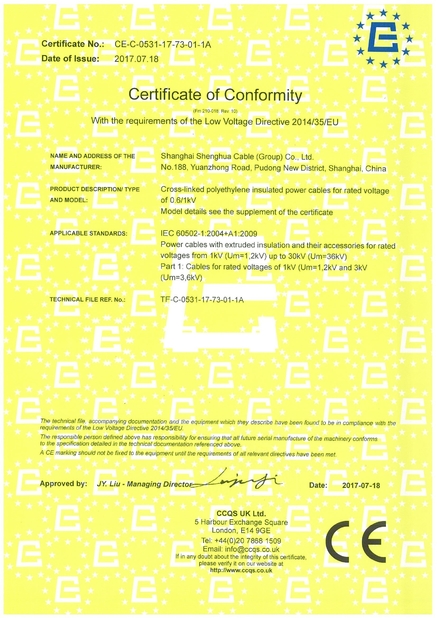
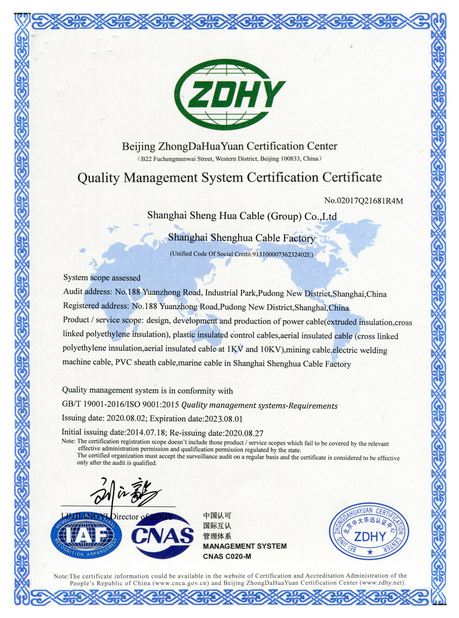
الامتثال للشهادات الدولية
إرشادات تقنية لتحديد حجم الكابلات الخاصة بالمشروع
هذه الميزات تضمن أن نظامك الكهربائيآمنة وفعالة ودائمة.
قم بزيارة موقعنا الإلكتروني للمواصفات التقنية ودعم المشروع:https://www.shanpowercable.com/
اختيار منطقة قطع الكابل هو قرار متعدد الأبعاد.
القدرة الحالية على المدى الطويل
كثافة التيار الاقتصادي
انخفاض في الجهد
الاستقرار الحراري للدائرة القصيرة
يمكن للمهندسين تحقيق أفضل سلامة وكفاءة وتكلفة فعالة.
كابل شينغهوايجمع بين المواد عالية الجودة مع الخبرة الهندسية لتوفير حلول كابلات موثوقة ودائمة للمشاريع الصناعية والطاقة والبنية التحتية في جميع أنحاء العالم.